The Most Instagrammable Spots on the Côte d'Azur for Your Next Trip

The Most Instagrammable Spots on the Côte d’Azur for Your Next Trip
Honestly, nowhere else in Europe even comes close. The French Riviera has this almost unfair advantage — the light, the color, the sheer variety of scenery packed into a relatively short stretch of coastline. A 2024 report by Lonely Planet confirmed what anyone who’s been there already knows: the Côte d’Azur ranks among the five most photographed coastlines on the planet, pulling in upwards of 11 million visitors every year. Whether you’re a serious travel photographer who plans shots around the solstice calendar or just someone who wants their feed to look incredible for once, this coastline will not let you down.
From the deep cobalt coves of Villefranche-sur-Mer to the warm ochre facades stacked up in old Nice, genuinely every corner rewards a closer look. This guide covers the best photo locations along the entire coast — with real practical information about timing, access, and what specifically makes each place worth your effort — so you can stop guessing and start shooting.
1. Nice: The Vivid, Beating Heart of the Riviera
Nice is the most photographed city on the entire coastline — by a significant margin. The famous Promenade des Anglais alone draws over 5 million visitors every single year. That 7-kilometer seafront walk, flanked by grand white Belle Époque hotels and punctuated by those instantly recognizable blue wooden chairs, is essentially the defining image of the French Riviera. If you’re only going to shoot one spot here, the golden window runs from roughly 6:30 AM to 8:00 AM in summer — when the sky moves through soft pinks before settling into azure, and the promenade is still blessedly empty.
Vieux-Nice: Baroque Architecture and Market Chaos in the Best Way
The old quarter — Vieux-Nice — is a dense, winding grid of 17th-century Baroque buildings painted in terracotta, dusty rose, and deep ochre. It genuinely looks like someone turned the saturation up in post-production, except they didn’t. The Cours Saleya flower market (running Tuesday through Sunday, from 6:00 AM to 1:00 PM) fills the square every morning with enormous buckets of roses, lavender bunches, and mimosa sprays — extraordinary foreground material for wide compositions. UNESCO recognized the city’s cultural heritage framework back in 2021, which tells you something about how deeply the architecture and traditions here are woven into European history.
Castle Hill — The View That Earns the Climb
Take the free elevator — or hike the stairs if you’re feeling ambitious — up to Castle Hill, 92 meters above the city. From the top, the orange rooftops of Vieux-Nice, the curved sweep of Baie des Anges, and the Mediterranean stretching out to the horizon all slot together into one extraordinary frame. Sunset timing in June puts the best warm light at around 9:15 PM, which gives you a long, lazy evening to get comfortable up there.
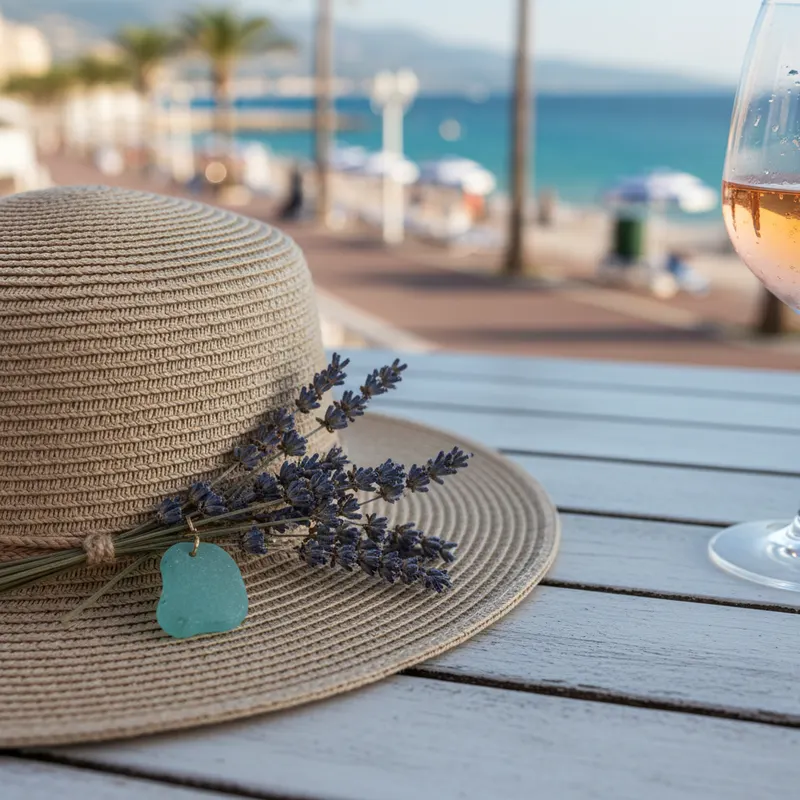
2. Èze: The Most Jaw-Dropping Hilltop Shot on the Coast
Few places anywhere along the Riviera hit you quite like Èze does. Perched 427 meters above sea level, this tiny medieval village — home to just 2,700 residents — sits like a stone crown balanced on the edge of a cliff. The views from the Jardin Exotique d’Èze (entrance runs €6 for adults in 2025) stretch across Monaco, Cap-Ferrat, and on those rare crystal-clear days, all the way to Corsica, which is 170 kilometers across the water. It’s the kind of view that makes you feel slightly unreal.
Timing Your Visit to Èze
- Sunrise golden hour (around 6:15 AM in June): The village stone glows warm amber, the sea below turns dark navy — show up at least 30 minutes before sunrise to secure the best vantage point before anyone else does.
- Late afternoon window (4:00–6:00 PM): The directional light becomes soft enough to pick out texture in the stone facades without flattening everything into glare.
- Avoid the midday hours (11:00 AM–2:00 PM): Overhead light is brutal, shadows disappear, and the tour buses have fully arrived by this point.
The lanes threading through Èze are barely 2 meters wide in places — claustrophobic in the best possible way. A single bougainvillea-draped archway framed correctly in this village has reportedly generated 50,000+ likes on major travel accounts. I believe it.
3. Monaco: Supercars, Mega-Yachts, and That Formula 1 Hairpin
Monaco manages to pack extraordinary photographic density into just 2.02 square kilometers. Casino Square is the obvious anchor — every evening, a rotating parade of Ferraris, Lamborghinis, and Rolls-Royces assembles in front of the Casino de Monte-Carlo (built in 1863), itself a monument of Belle Époque architecture so ornate it looks almost theatrical. This place genuinely never gets old.
Best Photo Spots in Monaco at a Glance
| Location | Best Time | Key Feature | Free Entry |
|---|---|---|---|
| Casino Square | Evening (7–9 PM) | Fountain, supercars, illuminated facade | Yes |
| Port Hercule | Morning (8–10 AM) | Mega-yachts, mirror reflections | Yes |
| Monaco-Ville (Le Rocher) | Midday | Palace square, panoramic sea views | Yes |
| Larvotto Beach | Sunset | Turquoise water, city backdrop | Yes |
| Grand Prix Hairpin (Fairmont) | Any time | Iconic F1 curve | Yes |
Port Hercule in the morning is something else entirely. Yachts exceeding 80 meters sit quietly at their moorings while the water around them turns into a near-perfect mirror surface. It’s a still-life composition that practically shoots itself — though I’d still recommend getting there before 9 AM to beat the tour groups.
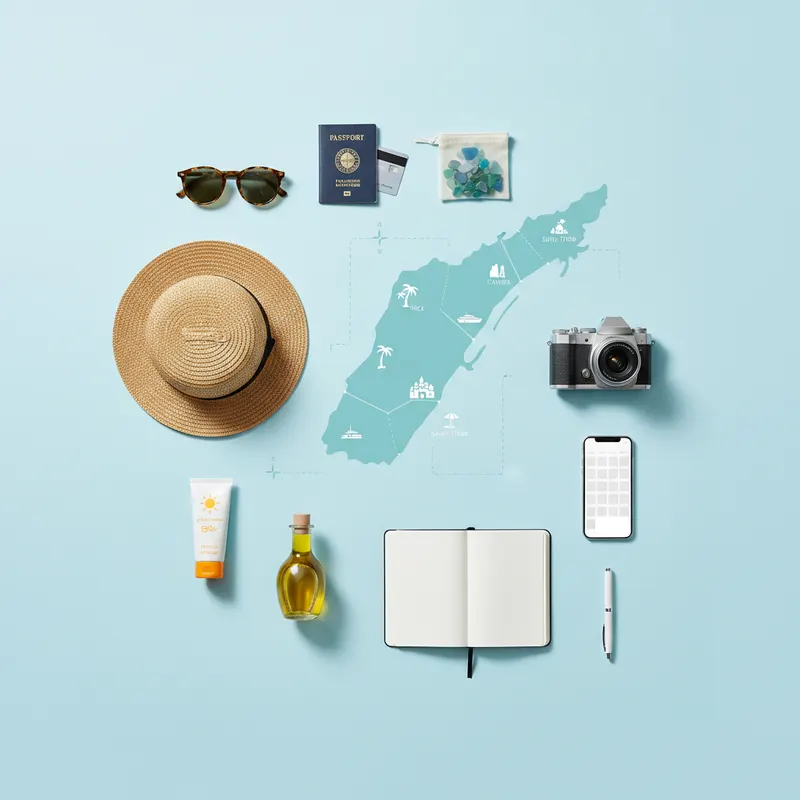
4. Villefranche-sur-Mer and Cap-Ferrat: Secret Coves and Pure Blue Water
Just 6 kilometers east of Nice, Villefranche-sur-Mer consistently shows up on every serious list of the Mediterranean’s most beautiful bays. The harbor is one of the deepest natural anchorages in the entire sea — 95 meters at its deepest point — and that depth is exactly why the water holds that extraordinary cobalt color even when the sky clouds over. The fishermen’s houses along Rue du Poilu, painted in vivid reds, yellows, and oranges and dating back to the 16th century, create one of the most rewarding street photography environments anywhere on the coast.
Saint-Jean-Cap-Ferrat: Terraced Gardens and Hidden Shoreline
The Cap-Ferrat peninsula is reachable on bus 81 from Nice for €1.50 — which feels almost comically affordable given what you find there. The Villa Ephrussi de Rothschild (entrance €16 in 2025) spreads nine separately themed gardens across a hillside in cascading, color-saturated tiers. The shot from the rose garden terrace — the villa’s pink facade framed against the brilliant blue bay — is probably the single most replicated image from Cap-Ferrat across travel Instagram. The coastal footpath (Sentier du Littoral, 10 km in total) connects the peninsula’s most secluded coves, including Plage de Passable and Plage Paloma. Arrive before 9:00 AM and you’ll often have these spots essentially to yourself.
5. Cannes and the Lérins Islands: Palms, Cinema, and Remarkably Clear Water
The world associates Cannes with the Film Festival — held every May since 1946 — but the photographic case for visiting extends across all twelve months. The Boulevard de la Croisette stretches 1.5 kilometers between the Palais des Festivals and the Martinez Hotel, lined the entire way with monumental palms that frame the coastline in a single unbroken composition. On a June morning, there’s a 25-minute window after sunrise when the light hitting the Croisette is almost embarrassingly good. Miss it and you’ve lost your chance for the day.
The Lérins Islands: Caribbean Colors, 15 Minutes from Cannes
A short ferry ride — 15 minutes, around €18 return in 2025 — drops you onto Île Sainte-Marguerite, where shallow, crystal-clear water over pale sand produces genuinely Caribbean-looking scenes. Throw in a 17th-century fort, a fragrant eucalyptus forest along the beach, zero cars, and zero commercial development, and you have a genuinely off-grid photography destination sitting just 3 kilometers offshore from one of Europe’s most glamorous cities. The contrast is almost absurd.
For those who want to dig deeper into the region’s quieter corners, 5 Villages Perchés Secrets de la Côte d’Azur à Découvrir en 2026 is a genuinely useful read — an insider-level guide to hilltop villages that almost never make it into mainstream travel content, perfect if you’re trying to build a portfolio that stands out from the crowd.
6. Menton and the Italian Border: Lemons, Pastels, and Quiet Grandeur
Menton sits just 2 kilometers from Italy and remains — bafflingly — one of the Riviera’s most overlooked photography destinations. The town supplies roughly 80% of France’s total lemon production, and every February it hosts the Fête du Citron, during which monumental sculptures constructed entirely from citrus fruit fill the Jardins Biovès. There is genuinely nothing else like it in Europe. It’s spectacular and slightly surreal in equal measure.
Rue Longue and the Parvis Saint-Michel
Rue Longue is Menton’s oldest street — a corridor of ochre and cream Baroque facades climbing toward the Basilique Saint-Michel-Archange. The forecourt (parvis) in front of the basilica features a mosaic floor of white and grey pebbles arranged in intricate geometric patterns; seen from above, it makes a compelling drone composition. That said, drone flying here requires advance authorization from the Mairie de Menton and strict compliance with French DGAC regulations — check before you pack the drone.
Jardin Serre de la Madone
Lawrence Johnston spent roughly two decades (1919 to 1939) building this botanical garden (entrance €8), which climbs a terraced hillside in layers of Mediterranean, Moroccan, and Asian planting. Looking back across the garden toward Menton’s pastel rooftops creates a visual depth that photographers tend to describe as painterly — and honestly, it is. It’s the kind of place where you take fifty more shots than you planned and still feel like you missed something.
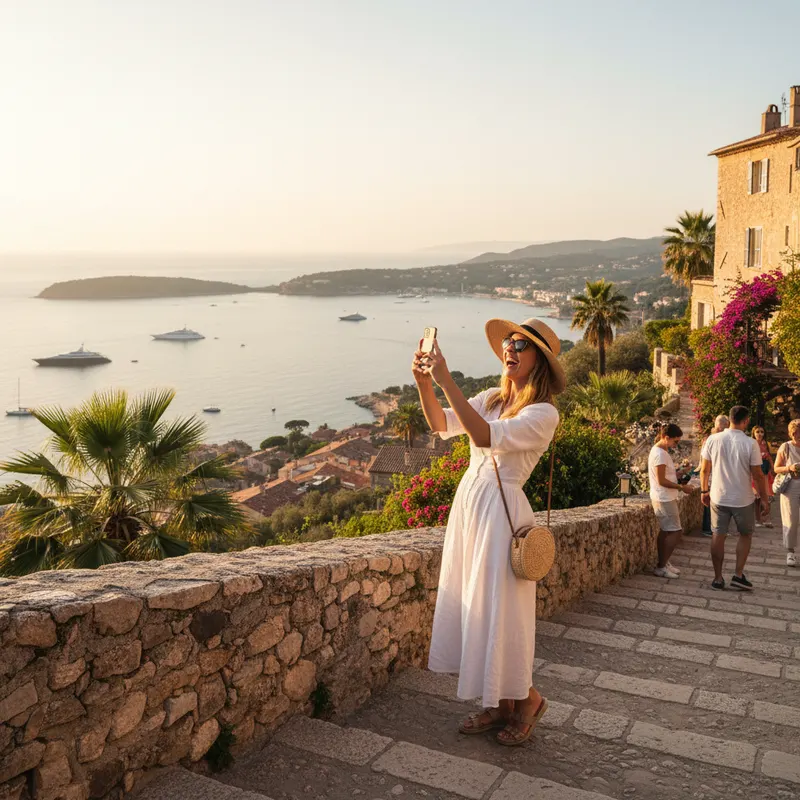
Getting It Right: Practical Planning for Your Côte d’Azur Photo Trip
Showing up is only half of it. Getting the right light, avoiding the worst crowds, and moving efficiently between locations — that’s what separates a good trip from a genuinely great one.
Season-by-Season Light and Crowd Overview
| Month | Daylight Hours | Average Crowd Level | Best For |
|---|---|---|---|
| April–May | 13–14 hrs | Low–Medium | Wildflowers, gentle light |
| June–July | 15+ hrs | Very High | Long golden-hour windows |
| August | 14 hrs | Extreme | Avoid popular sites at midday |
| September–October | 12–13 hrs | Medium | Best overall balance |
| November–March | 10–11 hrs | Very Low | Empty streets, dramatic skies |
Gear, Rules, and a Few Things Worth Knowing
- A modern smartphone with a wide-angle mode handles the majority of shots at every location listed here — you don’t need to carry a full camera bag to come home with great images.
- Drone photography in France requires DGAC registration; in dense urban areas like Monaco and Nice, no-fly zones are strictly enforced. Always verify on Geoportail before every single flight.
- Tripods are generally fine in public outdoor spaces but are banned inside the Casino de Monte-Carlo and prohibited in a number of the paid gardens along the coast.
- In peak summer (June through August), golden hour lasts approximately 40 to 50 minutes after sunrise and before sunset — plan your locations with that window in mind and don’t waste it in transit.
Getting Around Without Losing Your Mind
The TER coastal train linking Nice, Monaco, and Menton runs every 15 to 30 minutes and costs between €1.50 and €5.60 per leg. The Nice to Cannes Intercités connection takes just 35 minutes for €8.50. Taking the train rather than driving is genuinely smarter here — the Corniche roads are beautiful but notoriously congested, and parking near most viewpoints is a nightmare. Being on the train also means you can be standing at a hillside overlook at precisely the right moment rather than circling a car park 20 minutes too late.
Wrapping Up: Your French Riviera Photography Adventure
The most Instagrammable spots on the Côte d’Azur span an astonishing range of atmospheres across 115 kilometers — from the electric urban energy of Nice and Monaco to the quiet medieval drama of Èze and the underestimated pastel charm of Menton. Every single one of these places rewards planning: the right hour, the right season, the right angle. The light along this coast is genuinely exceptional — more than 300 days of sunshine per year means the odds are stacked in your favor almost every morning you wake up here.
Whether you’re after sweeping panoramas from a cliff-top village, the glassy reflections of a Monaco marina at dawn, or the warm-toned chaos of a Menton street at dusk, the French Riviera consistently delivers. Build your shot list. Book the rail pass. Get yourself there for golden hour — and let the results make the argument for you.